
Food Devils Cooking and Recipes Guide
Turn expedition ingredients into dish buffs, Flavor synergies, and better recruits.
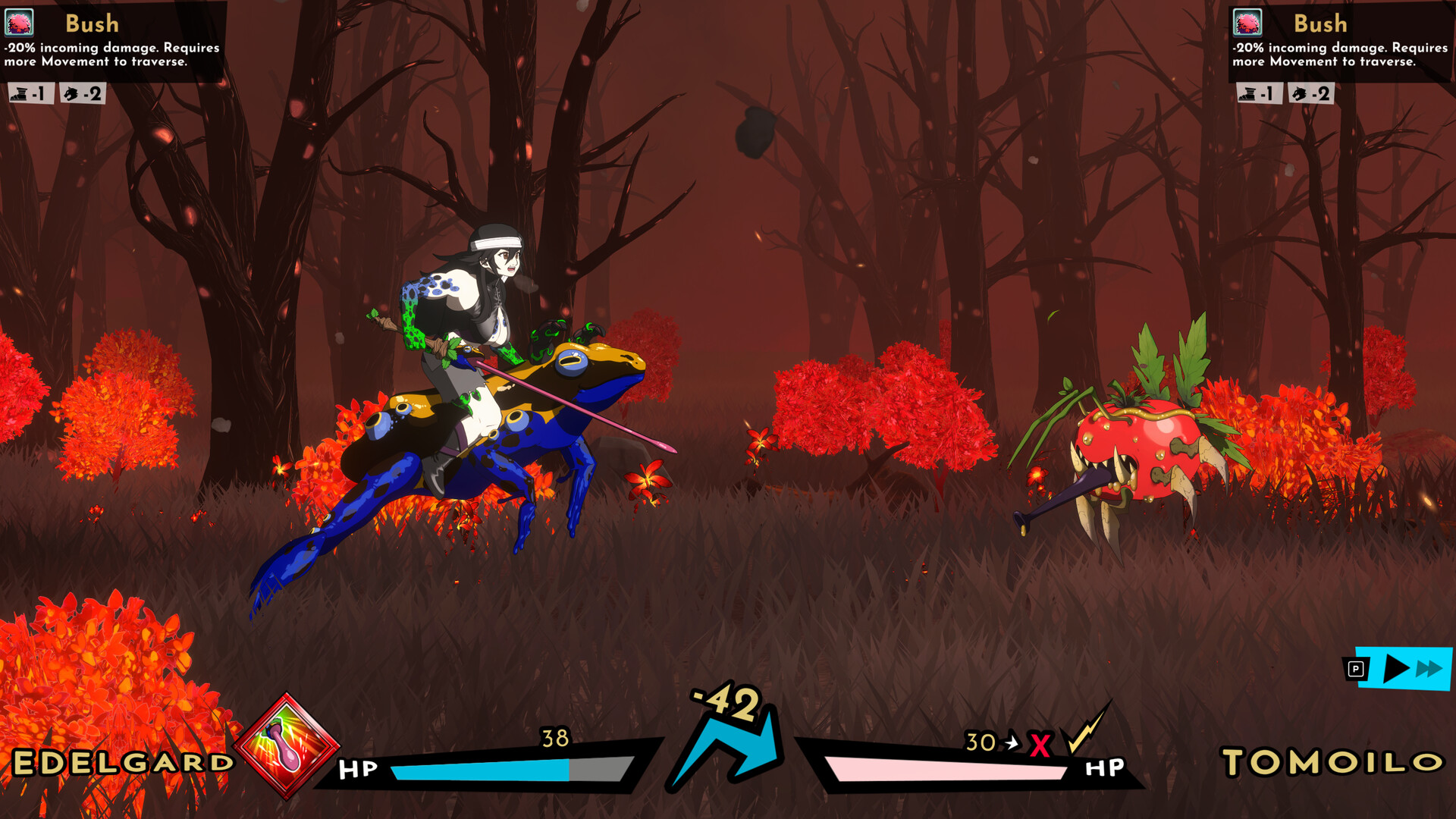
In Food Devils, cooking is not a side minigame—it is the bridge between roguelite expeditions and the restaurant that keeps your world alive. You hunt monsters, loot wicked ingredients, plate dishes that buff the next run, and feed a reputation that attracts the adventurer classes your Devils actually need. This guide covers the ingredient loop, kitchen cooking, dish buffs, Flavor Triangle thinking, scavenging priorities on the map, and how good menus feed recruitment. Pair it with Restaurant Management for furniture and upgrades, and with Combat Tactics so buffs match the Master Rules you plan to run.
The ingredient loop at a glance
- Embark with one Food Devil and up to four humans.
- Win encounters and scavenge ingredients from fallen monsters.
- Return to the restaurant kitchen.
- Cook dishes that apply bonuses to upcoming expeditions.
- Serve a menu that makes desirable adventurers stop by.
- Sign better Devil Contracts and repeat with stronger scavenging targets.
Miss a step and the fantasy collapses into “I fought well but my next party is worse.” Food Devils rewards chefs who treat loot as mise en place, not as vendor trash.
What to pick up while scavenging
Expedition maps tempt you to grab everything. Hunger, timers, and objectives say otherwise. Prioritize:
- Ingredients that complete dishes you can cook immediately after the run.
- Flavor-aligned loot for the Devil you main this week—Salty lines for Hunter, Sour for Poison, Sweet for Dessert.
- Staples that unlock kitchen progression even if they are less flashy in combat text.
- Quest or story-tagged drops that gate restaurant or relationship beats.
Deprioritize duplicates you already overflow and risky pickups that require parking a Hungry human on a lethal tile. A dead Shielder is worth more than one extra garnish. If the objective is Escape or Defend, treat scavenging as opportunistic, not mandatory.
Ashen Forest and other Early Access biomes teach different monster tables; Fungal Abyss is planned for a later 0.7-style update, so expect ingredient pools to expand. When a patch adds a biome, re-scout drop tables before assuming your old shopping list still wins.
Cooking at the restaurant
Back home, open the kitchen with a clear plan for the next expedition, not a vague desire to “make something strong.” Ask:
- Which Devil am I captaining tomorrow?
- Which Master Rule am I likely to pick?
- Which human classes are thin in my current visitor pool?
Cook dishes that answer those questions. Buffs that add survivability help when you are learning Calories discipline. Buffs that accelerate generation or movement shine once you stop permanently killing supports. Damage pads are fine when your board literacy is already solid.
Batch cook when ingredient stacks allow it, but leave a buffer of raw mats for event recipes or relationship meals that appear mid-week. Wasting a rare component on a redundant buff feels terrible when a Table Talk suddenly asks for something specific.
Dish buffs for the next run
Think of dishes as expedition chips you cash in at the door. Strong patterns include:
- Pre-healing the economy — buffs that reduce how hard you must push Hunger early.
- Rule enablers — bonuses that make Bonfire adjacency, summon play, or flavor triggers easier to hit.
- Class magnets — meals that, together with furniture, bias Warrior, Shielder, Mage, or Healer traffic.
- Captain amplifiers — Sweet plates before Dessert runs, Sour before Poison, Salty before Hunter.
Log which buffs actually changed your win rate. Food Devils is full of tempting descriptions; your notes beat marketing text. After two or three expeditions, retire dishes that never matter and double down on the ones that saved a human from permanent death.
Flavor Triangle literacy
The Flavor Triangle—Salty, Sour, Sweet, and their interactions—ties cooking identity to combat identity. Hunter reads Salty/Beast, Poison reads Sour/Infantry/Mage-leaning, Dessert reads Sweet. Cooking in-theme is not mandatory cosplay; it is a readability tool. When your pantry, Skill Packs, and Devil Contracts share a flavor story, decisions mid-fight get faster because the Glossary language matches your menu language.
Practical Triangle tips:
- If your Skill Packs lean Sour, cook Sour-supporting dishes instead of forcing a Sweet menu the same week.
- Use off-flavor dishes deliberately when you want to recruit a class your main Devil rarely attracts.
- Check the Glossary Flavor entries whenever a skill tooltip references a taste you cannot explain.
Later Devils such as Vegan and Fisher will widen the Triangle’s story. Build the habit now so new captains do not reset your kitchen brain.
How cooking feeds recruitment
Adventurers visit because your restaurant promises food worth the risk of signing a Devil Contract. Cooking quality, furniture sets, and kitchen upgrades combine into a soft matchmaking system for party building. A kitchen that only ever plates glass-cannon DPS food will starve you of Shielders and Healers. A kitchen that only comforts tanks will leave Poison and Dessert without the casters or Sweet specialists they want.
Recruitment loop checklist:
- Identify the class hole that caused your last wipe.
- Adjust furniture (see the restaurant guide) and cook dishes that appeal to that class’s fantasy.
- Run a short expedition to refresh visitors without overspending rare ingredients.
- Sign contracts that match the Master Rule you intend next.
- Only then push a long biome clear.
Romance and Table Talks also care about what you serve and how you indulge Devil egos. Spoiler-light relationship advice lives in Romance and Relationships; the combat payoff is extra options, not a replacement for scavenging discipline.
Linking kitchen work to meta progression
Cooking sits beside Training Grounds access, Glossary study, and furniture investment as Early Access meta. Because demo progress carries into the November 24, 2026 Early Access build, kitchen knowledge and pantry habits transfer with your save. Treat the free demo kitchen as a live classroom: learn which staples vanish fastest, which dishes you actually click before embarking, and which flavor stories you enjoy enough to main.
When patches add Skill Packs or biomes, revisit your recipes before blaming balance. Often the issue is a pantry stuck on launch-week comfort food while the new Master Rule wants a different buffet.
Common cooking mistakes
- Cooking after embark planning — decide the dish before you lock the party fantasy.
- Ignoring Hunger math — a damage dish that encourages Calorie greed can raise permanent death rates.
- Hoarding forever — ingredients that never hit a plate help nobody; cook on a schedule.
- One-flavor tunnel vision — great for a themed week, disastrous if your visitor pool collapses.
- Forgetting the objective — Escape maps need different buffs than Gather maps.
A weekly chef routine
Monday mindset: clear a Training Grounds set, then cook two dishes aimed at a single Master Rule. Midweek: scavenge with strict pickup filters, return, replate, move one furniture piece toward the class you lacked. Weekend: attempt a longer Ashen Forest push with the pantry already aligned. Afterward, skim the Guides Hub for any system that felt opaque, and check the Tier List Hub only after you know whether your failures were culinary or tactical.
Food Devils calls you the last chef for a reason. The grid fights are memorable, but the kitchen is where expeditions become careers. Plate with intent, scavenge with restraint, and let every monster you cook become a reason the next adventurer signs the contract.
Frequently Asked Questions
Quick answers to the most common questions.
When should I cook dishes in Food Devils?
Cook after expeditions and before the next embark so buffs and recruitment effects are active. Tie dishes to the Master Rule you plan in Combat Tactics.
What is the Flavor Triangle?
It is the Salty, Sour, Sweet relationship system that links Devil identity, skills, and cooking themes—Hunter Salty, Poison Sour, Dessert Sweet.
How does cooking help recruitment?
Menus combine with furniture and kitchen upgrades to attract adventurer classes. See Restaurant Management for the hub side of that loop.
Should I pick up every ingredient on the map?
No. Prioritize ingredients that complete useful dishes and avoid Hunger-risky detours that can permanently kill adventurers.
Where do I learn the rest of the day-one loop?
Start with Getting Started, then return here whenever pantry choices feel random.